GDPR-Compliant Lead Research: A Local-First Approach
The Hidden Data Processor Risk in Your Martech Stack
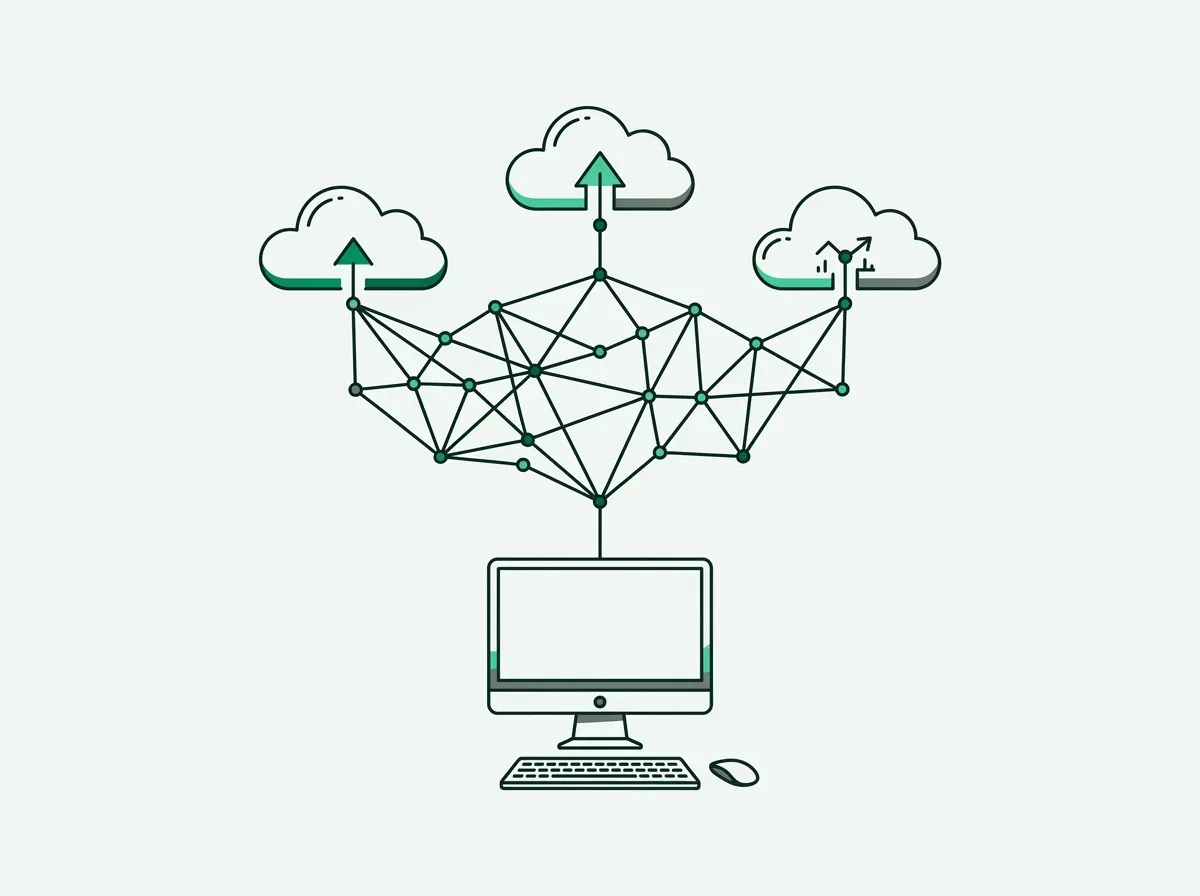
Most outbound marketing tools create significant GDPR risk. When you use a cloud-based service to enrich a lead list or find contact information, you upload personal data to that vendor's servers. This action legally designates the vendor as a 'data processor' under the GDPR, and you, the 'data controller,' become liable for their actions.
Under Article 4 of the GDPR, the data controller determines the 'why' and 'how' of data processing, while the processor acts on the controller's behalf. This relationship must be governed by a Data Processing Agreement (DPA), a contract outlined in Article 28. This DPA legally binds the processor to follow your instructions and implement security measures.
The compliance burden expands from there. Major SaaS vendors use their own third-party 'sub-processors' to deliver their services, and their DPAs require you to accept this chain of data sharing. Each new tool in your stack adds another processor to your compliance surface area. This creates tangible risk. In a decision published in January 2024, France's data protection authority (CNIL) fined a company €3.5 million for transferring the data of over 10.5 million loyalty program members to a social media platform without valid consent. In another case from December 2023, the CNIL fined the data broker KASPR €240,000 for unlawfully scraping contact details from LinkedIn and other GDPR violations.
Why Local-First Processing Is the Safest Model
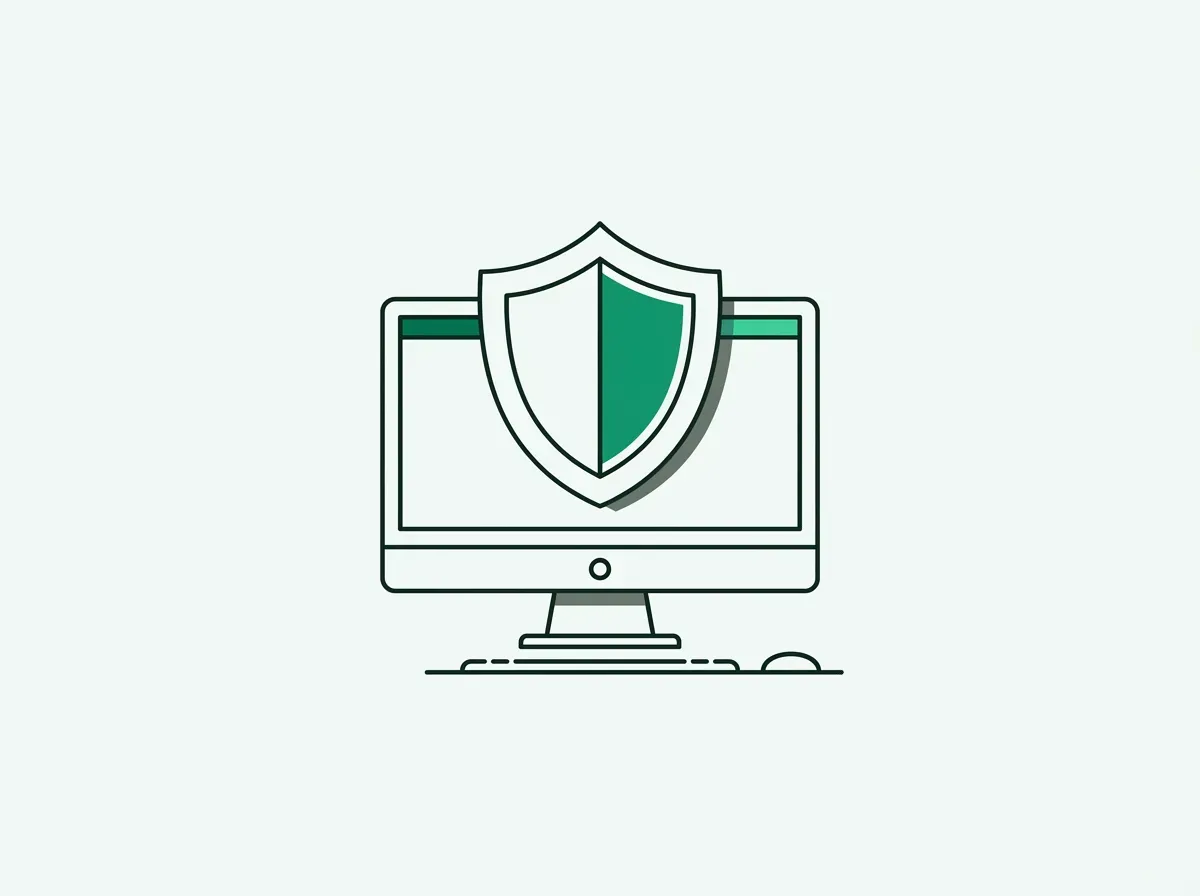
A more secure model for outbound research involves processing data locally, on your own machine. A local-first tool, such as a desktop application, performs its analysis and data extraction tasks directly on your computer. During the research phase, sensitive lead data never leaves your machine to be processed or stored by a third-party vendor.
This approach radically simplifies compliance. For the task of researching a lead, there is no third-party data processor to vet, sign a DPA with, or audit. You maintain full control over the data, which directly aligns with the GDPR principle of 'data protection by design and by default' (Article 25). By choosing a tool that minimizes data sharing by design, you reduce your risk profile from the start.
This model also has security benefits. According to IBM's 2023 Cost of a Data Breach Report, the global average cost of a breach reached a record $4.45 million. The report found that customer personally identifiable information (PII) was the most commonly compromised data type. Keeping research data on a local machine, rather than uploading it to a series of cloud vendors, minimizes the number of environments where PII is stored and reduces the risk of it becoming unmanaged 'shadow data'.
A Practical Workflow for GDPR-Compliant Prospecting
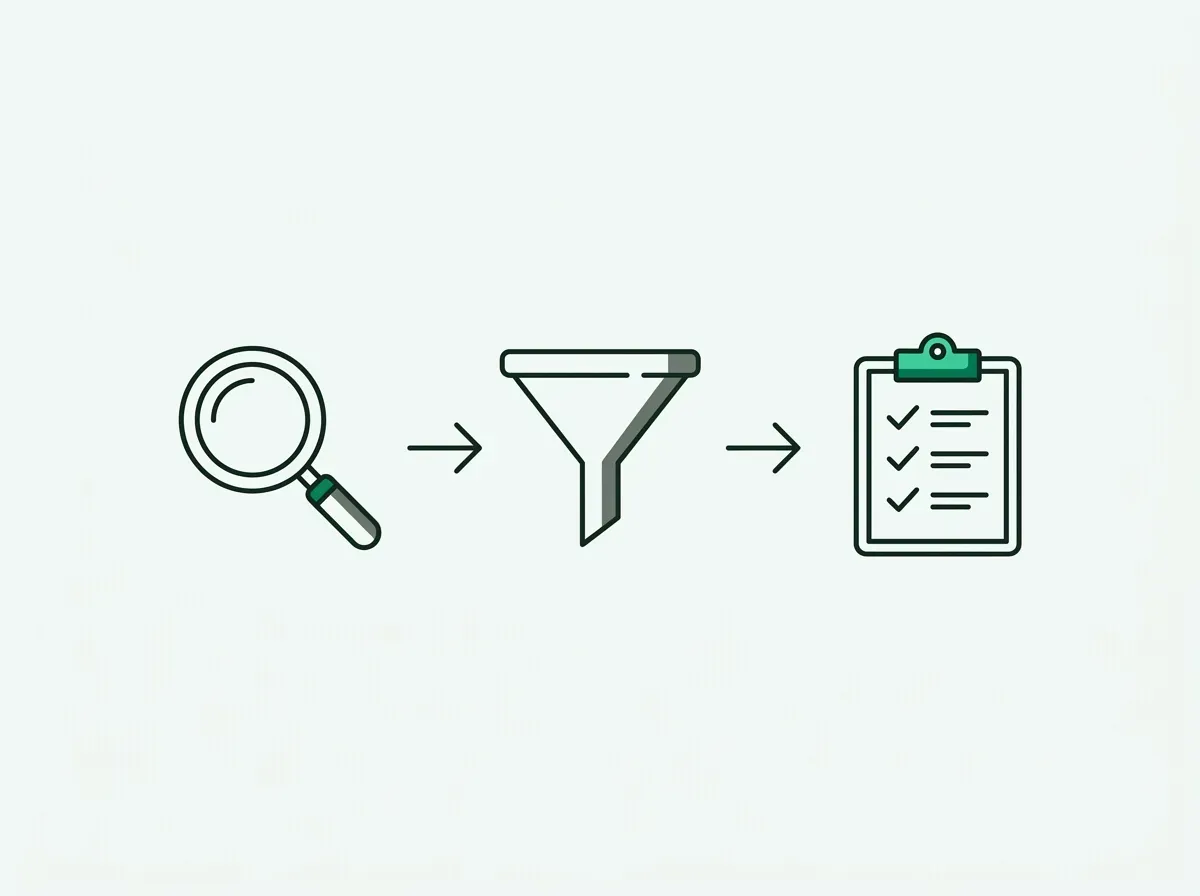
We use a five-step process to conduct outbound research while minimizing compliance risk. This workflow keeps data under our control until we have established a clear reason to make contact.
- Identify Public Signals: Start by identifying public data sources where your ideal customers show intent. This could be a company announcing a new funding round, an engineer asking a question on a technical forum, or a marketing leader posting about a specific challenge on LinkedIn.
- Use a Local Agent for Research: Deploy a local application to browse these public sources and extract the relevant information. The key is that this agent runs on your desktop, so the data it finds is saved directly to your machine, not a cloud server.
- Qualify the Lead Locally: Analyze the collected public information on your computer to qualify the opportunity and identify the correct contact person within the organization.
- Assess Your Lawful Basis: Before initiating any outreach, you must determine your lawful basis for processing their contact information. For B2B marketing, this is typically 'legitimate interest'. This concept, detailed in guidance from the EDPB's predecessor, the Article 29 Working Party, requires a documented three-part assessment: you must define your commercial interest, confirm the processing is necessary, and balance your interest against the individual's rights. Remember that under Article 21(2), an individual has an absolute right to object to direct marketing.
- Transfer to CRM After Contact: Only after you have qualified the lead and established a lawful basis should you add their data to your central CRM. Your CRM should be your primary, properly-vetted data processor for managing customer relationships.
Putting It Into Practice
To reduce your compliance risk, audit your current outbound tools. Ask a simple question for each service: 'Where does my lead data go when I use this?' If the answer is 'to their cloud servers,' that vendor is a data processor you are responsible for. Prioritize tools that minimize data sharing and allow for local processing.
We built Drevon on this local-first principle. It operates as an AI agent on your desktop. When you ask it to find leads, it browses public sources and analyzes the results on your machine. Your lead lists and research data are never uploaded to our servers. This design gives you the power of AI-driven research without creating an unnecessary data processor relationship.