The Integration Tax: Calculating the Real Cost of AI Prospecting
The Integration Tax: Calculating the Real Cost of AI Prospecting in 2026
The dominant cost of AI prospecting is no longer the subscription fee, but the 'integration tax'—the hidden engineering and operational overhead required to manage complex, multi-API tools. A go-to-market team's total cost of ownership (TCO) is shifting from predictable invoices to unpredictable, time-based expenses. The most efficient teams will be those who actively minimize this tax.
Prospecting costs were once straightforward. A company paid a vendor like ZoomInfo a per-seat license for access to its database. The primary hidden cost in this model was data decay. B2B contact data degrades at a rate of 22.5% to 30% per year, according to HubSpot's analysis of original MarketingSherpa research and data from Dun & Bradstreet. This forced sales teams to spend a significant portion of their time verifying stale information. The cost was paid in wasted sales hours.
The New Cost is the 'Integration Tax'
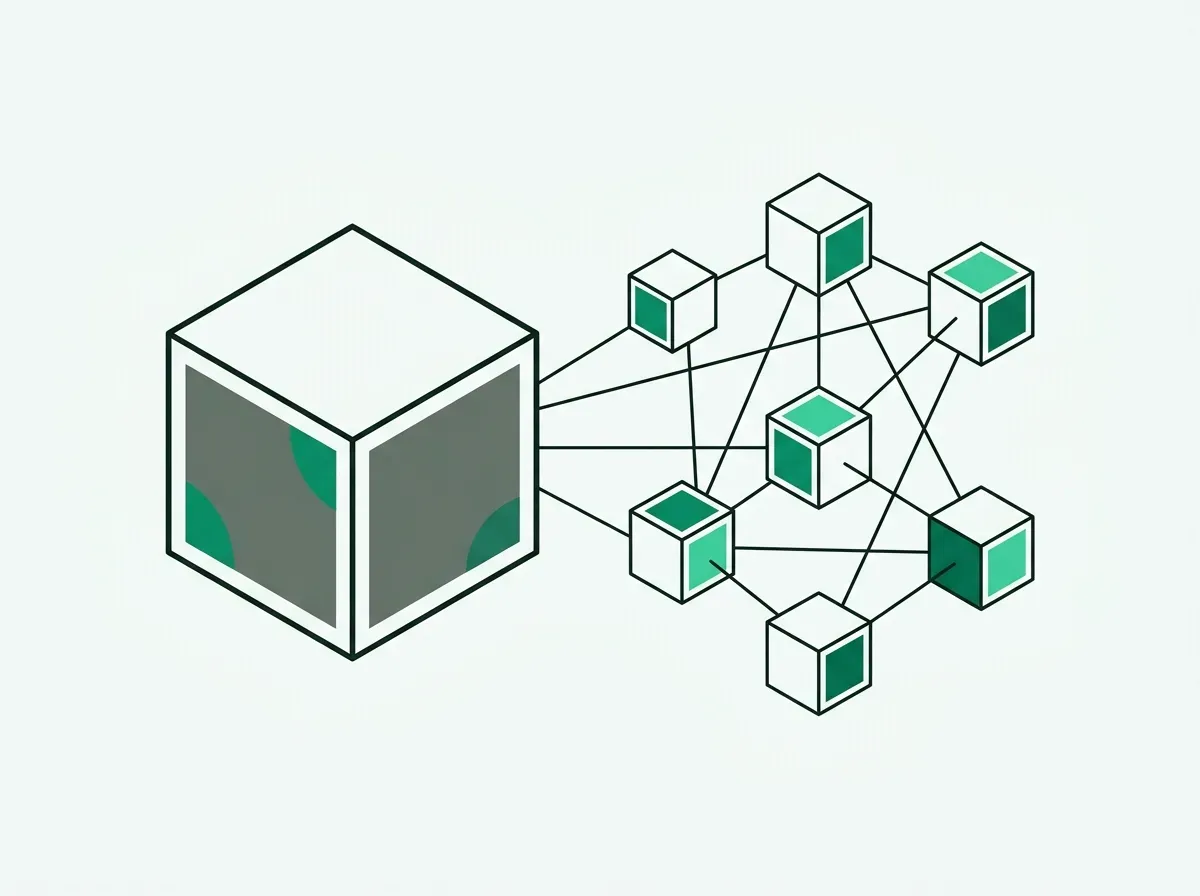
The market has shifted toward composability. GTM teams are moving from monolithic platforms toward flexible tools connected via APIs. Gartner identified this as a foundational shift in its Top Strategic Technology Trends for 2022 report, highlighting the move to 'Composable Applications'. Modern prospecting tools like Clay are built on this philosophy, allowing users to chain together dozens of APIs to enrich data.
This flexibility creates a new, less obvious cost: the integration tax. This tax is the sum of all resources spent building, maintaining, and troubleshooting these workflows. It is paid in three ways.
1. Direct Engineering Hours
Composable tools are not plug-and-play. They require a dedicated, technical owner to build and manage workflows, creating demand for a new role: the GTM Engineer. A 2026 analysis of over 200 roles found the median base salary for a mid-level GTM Engineer is $151,000. Many teams find they need a part-time engineer to maintain the system, spending valuable technical resources on sales infrastructure instead of core product.
2. Variable API Costs
Platform fees for composable tools can seem moderate. Clay's Growth plan, for example, is around $495 per month. The true cost, however, is in usage. These platforms use credit systems for both platform actions and third-party data enrichments. After a recent pricing change, Clay now requires metered 'Actions' for every API call, adding a usage-based cost on top of third-party data fees. A single five-step enrichment can consume multiple credits, and costs can escalate quickly and unpredictably.
3. Operational Overhead from Brittle Workflows
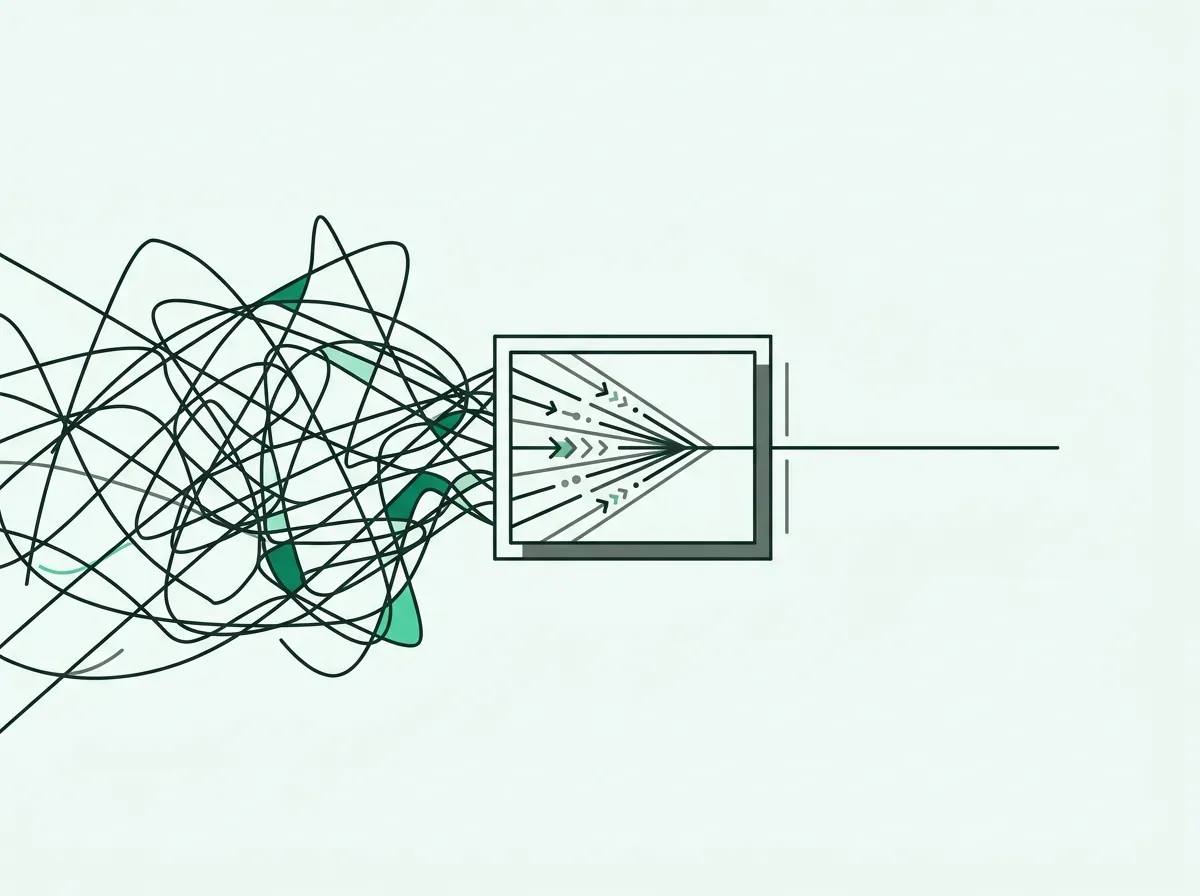
Multi-step API waterfalls are inherently fragile. If one external data provider in the chain changes its API or experiences downtime, the entire workflow can break. This creates constant, reactive work. As RevOps leader Jennifer Dimock described in a LeanData webinar, when reporting requests come from leadership, 'it really becomes a fire drill... we're just kinda scrambling to get it.' A 2024 study from RevSure found that 75% of marketers report spending too much time in this 'fire drill mode,' manually aggregating data from multiple systems.
A Framework for Calculating Your Real Prospecting Cost
To understand your true cost, you must look beyond the invoice. We use this formula to calculate the TCO of a prospecting tool:
TCO = Platform Subscription + Monthly API Costs + (Engineer Hours/Month × Rate) + (Wasted Sales Hours/Month × Rate)
The following estimates are based on an analysis of public pricing, G2 reviews, and discussions on communities like Reddit where teams report the operational costs of managing different platforms. The calculation is for a sample 5-person sales team, comparing an all-in-one database with a composable platform.

Sample Annual TCO Calculation
| Cost Component | All-in-One Database (e.g., ZoomInfo) | Composable Platform (e.g., Clay) |
|---|---|---|
| Annual Platform Subscription | $25,000 | $5,940 ($495/mo) |
| Annual API & Data Credits | $0 (included) | $6,000 (estimated $500/mo) |
| Annual Engineering Overhead | $0 | $24,000 (20 hrs/mo @ $100/hr) |
| Annual Wasted Sales Hours | $30,000 (50 hrs/mo @ $50/hr) | $3,000 (5 hrs/mo @ $50/hr) |
| Estimated Annual TCO | $55,000 | $38,940 |
This is a simplified model. The actual cost of wasted sales hours due to data decay in an all-in-one platform is likely higher, and the engineering overhead for a composable tool can easily exceed 20 hours per month. The goal is not to find the cheapest tool, but the one with the highest return on investment after accounting for all direct and indirect costs.
Eliminating the Integration Tax
Our approach at Drevon is to absorb this complexity. We designed a system where a user provides a natural language prompt—like 'find me 50 companies that need my product right now'—and our agent manages the complex chain of data sourcing, enrichment, and validation. The integration tax is reduced to near zero.
The trade-off is less infinite customizability than a purely composable tool, a trade we believe is correct for 95% of GTM motions. The future of GTM technology is not about giving teams more lego bricks to assemble, but about delivering the finished result.
You can see how Drevon works at drevon.dev.