Waterfall Enrichment vs. Browser Intelligence: A New Model for GTM Data
The Problem with Stale Go-to-Market Data
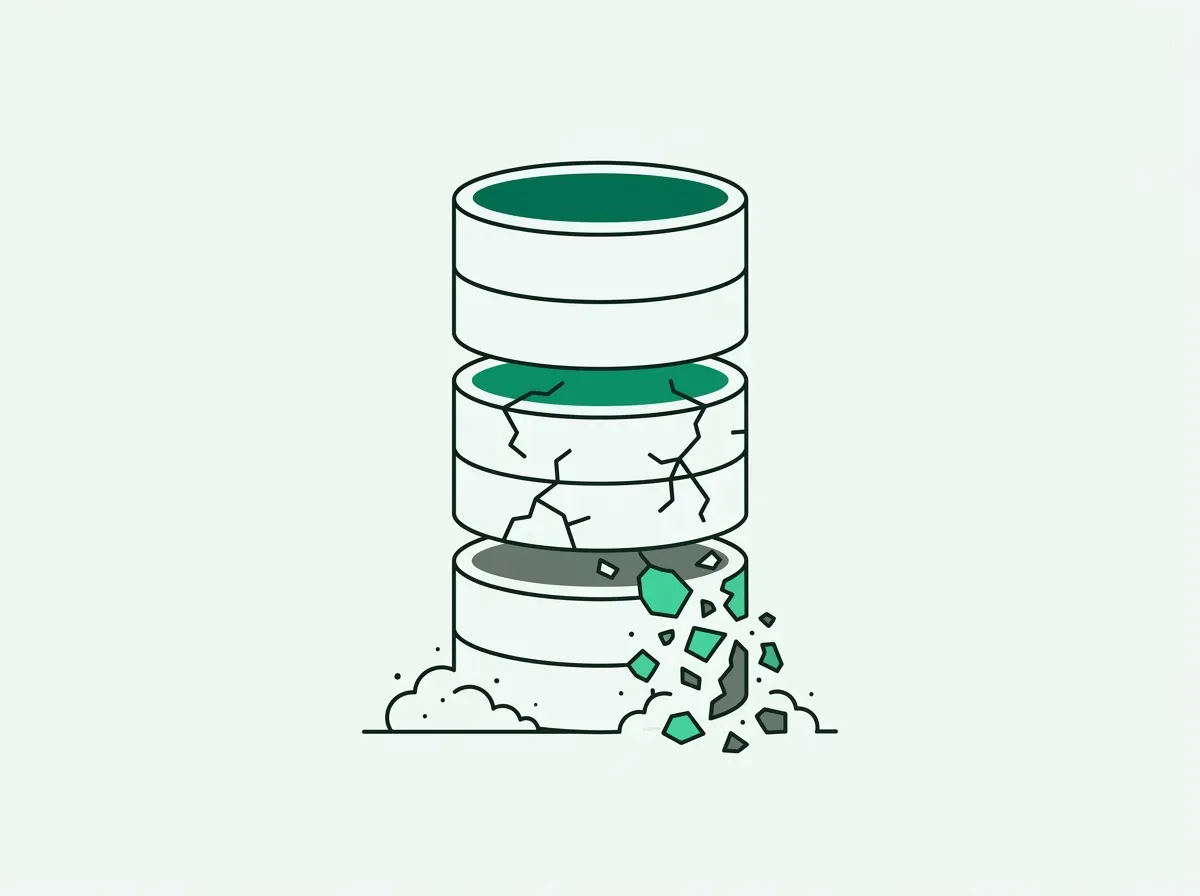
Go-to-market motions now operate in days, not quarters, but the underlying data technology has not kept up. The standard method for enriching leads, known as waterfall enrichment, relies on a chain of static databases that are frequently incorrect. B2B data decays at a startling rate. While a 22.5% annual decay rate is a common benchmark, recent Gartner research shows it can be as high as 70.3% per year. This means a database of 10,000 contacts could have fewer than 3,000 usable records after twelve months.
This reliance on stale information leads to measurable losses. A 2020 Gartner report estimates poor data quality costs the average organization $12.9 million annually. For GTM teams, this translates to bounced emails, calls to wrong numbers, and outreach based on outdated job titles. The result is a high cost for inaccurate data, wasted sales cycles, and missed opportunities.
How Waterfall Enrichment Fails
Waterfall enrichment is a sequential process designed to maximize data completion. When a new lead enters a system, it is first sent to a primary data vendor like Clearbit. If that vendor fails to return a complete profile, the lead is passed to a secondary vendor, like ZoomInfo, and then a tertiary one, such as Apollo.io.
Each step adds latency and cost. While this method can increase data coverage to 85-95%, it does not solve the fundamental problem: the data is sourced from periodic database scrapes, not from the live internet. The information is old by design. Common failure points include:
- Outdated job titles: As professionals change roles at a rate of 15-20% annually, job title data can decay by over 30% in a year.
- Incorrect firmographics: Company size, funding status, and tech stack information can change overnight.
- Missed buying signals: The most valuable signals are not in databases. They are in the unstructured text of social media posts, job descriptions, and news articles. A 2026 Forrester report found social media is now the second most meaningful information source for B2B buyers, with 55% using it for research. Static databases cannot capture this context.

The New Method: Browser Intelligence
The alternative to querying static databases is browser intelligence. This method uses an AI agent—what we build at Drevon—to perform the real-time research a human analyst would. Instead of making an API call for a fixed set of data fields, you ask a direct question in plain English.
For example, you can ask:
- 'Is this company hiring data engineers with Snowflake experience right now?'
- 'Find me 10 companies that just raised a Series B and mentioned EMEA expansion.'
- 'Show me five recent Reddit comments where users complain about our competitor.'
The agent then browses primary sources like LinkedIn, company career pages, news sites, and forums to find the answer. The process takes minutes. The result is not just firmographic data, but contextual, time-sensitive intelligence. It finds proof of intent, such as the specific language in a job posting that signals a pain point or a direct quote from a potential buyer seeking recommendations online. We should be clear: this method is for deep, contextual research, not for bulk-enriching a list of 100,000 leads where simple firmographics suffice.

A Direct Comparison: Static vs. Real-Time
The two methods represent a fundamental difference in approach, moving from data quantity to data quality and relevance.
| Attribute | Waterfall Enrichment (Static) | Browser Intelligence (Real-Time) |
|---|---|---|
| Data Freshness | Hours to months old. Subject to decay rates as high as 70.3% annually. | Sourced live from primary sources. Data is minutes old. |
| Data Type | Static attributes: employee count, revenue, industry, location. | Dynamic signals: hiring for specific roles, pain points in job descriptions, social media comments, executive quotes in the news. |
| Cost Model | Per-API call to multiple vendors, plus fees for orchestration platforms. Typically $0.15 to $0.40 per enriched record, according to 2026 data from Cleanlist. | Unified agent model. Cost is based on the research task, not the number of data points returned. |
| Customization | Limited to the vendor's fixed data schema. You get what the database offers. | Can answer nearly any question a human researcher can. The query is fully customizable. |
How to Implement Browser Intelligence
Shifting from static enrichment to browser intelligence does not require replacing your entire GTM stack. It is about augmenting it with timely, actionable signals.
First, identify a specific, high-value GTM motion, such as outbound prospecting for a new product or accelerating lead qualification. Second, define the key questions your team needs answered that static databases cannot provide. These are often about timing and context—the 'why now?' for outreach.
A tool like Drevon can then translate these questions into automated workflows. The real-time intelligence is fed directly into your CRM or sales engagement platform. This approach is critical because the value of an intent signal is perishable. Recent studies show that conversion rates are eight times higher when leads are contacted within five minutes. After that window, the likelihood of qualifying a lead decreases by 80%. Despite this, a 2026 Optifai study found the average B2B company takes 47 hours to respond, and 78% of customers buy from the first business to reply.
Conclusion
The shift from static databases to live browser intelligence is a necessary change in how modern GTM teams operate. Relying on data that is old by design creates a drag on every campaign and sales cycle. The alternative is to move from data completion to actionable timing, using AI to get live answers from primary sources. You can start by asking a single, specific question about your target accounts and getting a real answer in minutes.