Why We Built a Browser-Based Agent Instead of an API Wrapper
The Three Constraints of API-Based Prospecting
When we built Drevon, we saw that most AI prospecting tools rely on static, API-accessible databases. This model has three fundamental constraints that limit its effectiveness: stale data, narrow scope, and poor economics.
The Data Freshness Problem
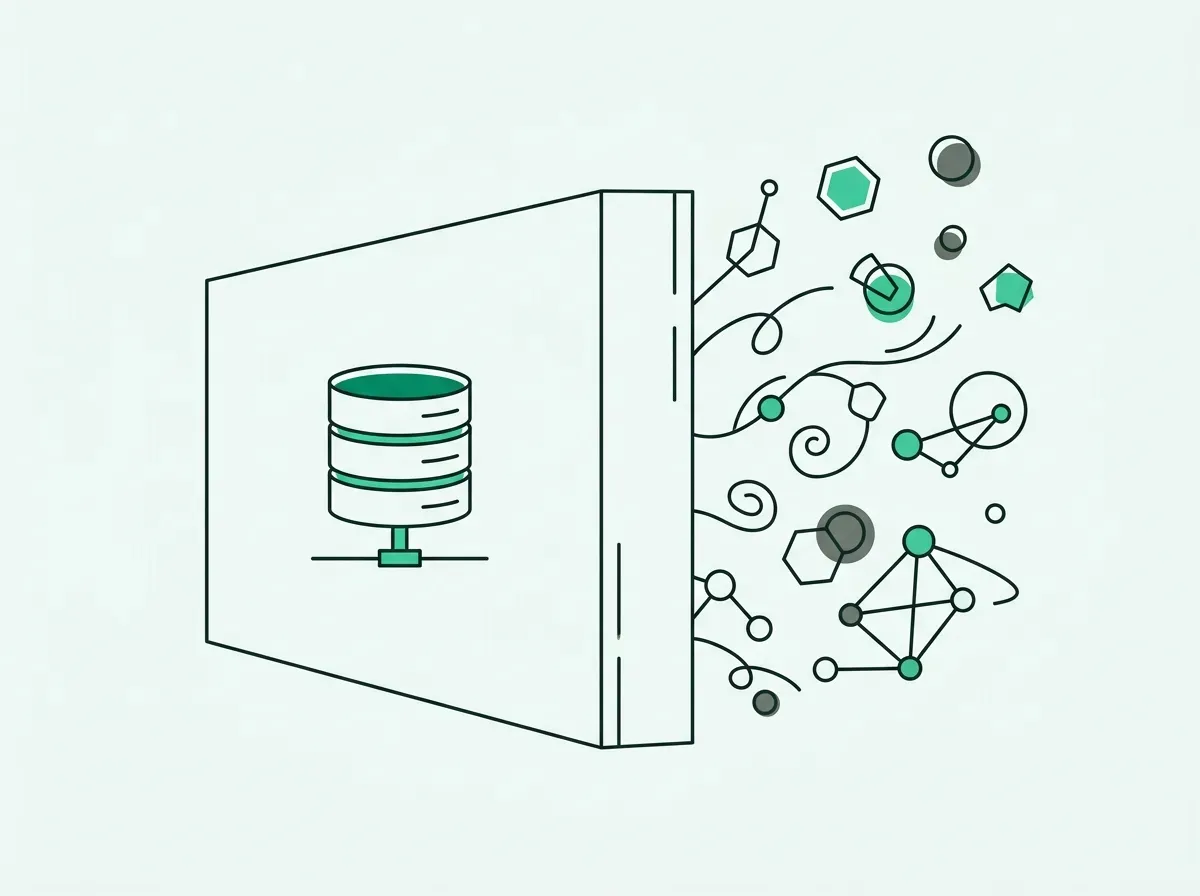
B2B data decays quickly. Research from HubSpot, citing MarketingSherpa, reports an annual decay rate of 22.5%, while Gartner has found that 30% of CRM data becomes outdated within a year. The primary driver is job mobility. When an employee changes roles, their title, email, and company affiliation become invalid overnight. An API call to a central database retrieves a snapshot that may be weeks or months old, providing leads that are no longer relevant.
The Walled Garden Effect
API-based tools are confined to the data they have indexed. They cannot see the live, unstructured conversations happening across the web where real buying intent is expressed. For example, a structured database will not contain a post from a system administrator on Reddit asking for recommendations to replace their current backup solution. It will also miss a Head of Sales on LinkedIn liking three different posts about outbound automation in a single week—a clear behavioral signal of active research.
The Economic Flaw of Credit Models
The prevailing business model for data providers is credit-based. Platforms like ZoomInfo or Apollo.io charge per record revealed or exported. Our research found that entry-level annual contracts for providers like ZoomInfo start at approximately $15,000, a figure confirmed by multiple independent analyses. Depending on the provider and volume, additional credits or individual record enrichments can cost between $0.20 and $2.50 each. This model penalizes exploration. It discourages growth teams from running broad, experimental searches because every query has a direct cost, regardless of the quality of the results.
How Our Browser-Native Agents Operate
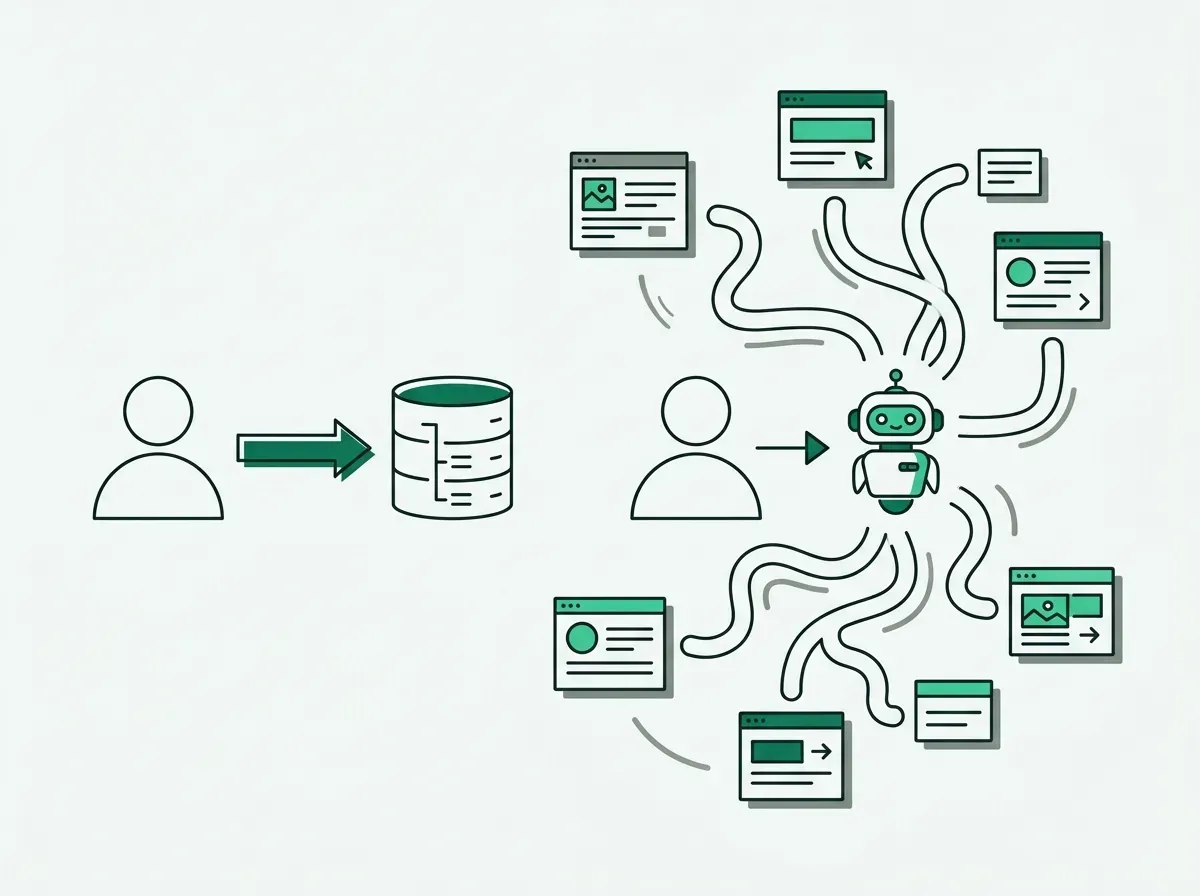
We designed Drevon to operate on a different principle. Instead of querying a database, our platform deploys browser-native AI agents that interact with the live web, much like a human researcher.

Simulating Human Browsing
Our agents use headless browser technology, such as Playwright, to load and render web pages in the background. Unlike an API call, which receives pre-packaged JSON data, a headless browser executes a site's JavaScript and interacts with the final, rendered content. This allows our agents to access information from dynamic, complex web applications that have no public API.
Real-Time Data Access
Because our agents browse the live web, the data they access is current by definition. They can see a job posting published minutes ago, a comment on a forum, or a new company announcement the moment it appears. This solves the data decay problem by bypassing the static database entirely.
Interpreting Unstructured Data
The core capability of our agents is understanding natural language and context on a web page. They can identify a phrase like “migrating from our current garbage solution” in a Reddit thread as a high-intent buying signal. The output is not just a contact, but the specific evidence of their need, captured in their own words.
Practical Advantages for Growth Teams
This approach gives our users a distinct advantage. Teams can uncover signals that are invisible to competitors who rely on traditional data providers.
| Capability | API-Based Tools | Browser-Native Agents |
|---|---|---|
| Data Source | Static, indexed database | The live, public web |
| Data Freshness | Hours, days, or months old | Real-time |
| Signal Type | Firmographic (company size, funding) | Behavioral and contextual (forum posts, job changes) |
| Cost Model | Per-credit, penalizes exploration | Flat subscription, encourages exploration |
Limitations and Trade-offs
Our approach is not without challenges. Agents must contend with anti-bot measures like CAPTCHAs, which require third-party solving services and add latency. They can also be blocked by sophisticated browser fingerprinting and rate limiting, which necessitates the use of complex proxy networks. This means that while powerful, these systems require more sophisticated infrastructure than simple API clients. We see a broader industry shift toward hybrid solutions. Even platforms known for API orchestration, like Clay.com, have introduced browser agents. They launched 'Claygent' in September 2023 to address what they call the “last mile data problem”—acquiring specific data points unavailable through traditional APIs.
Conclusion: From Querying Databases to Tasking Agents
The method for finding customers is changing. The practice of pulling static records from a database is being replaced by deploying autonomous agents to perform dynamic research on the live web. This shift gives teams access to a class of real-time intent data their competitors cannot see. The next step is to task an agent with one of your specific growth problems and measure the difference in results.