Why Your Next GTM Tool Will Run on Your Desktop
The Hidden Costs of the Cloud GTM Stack
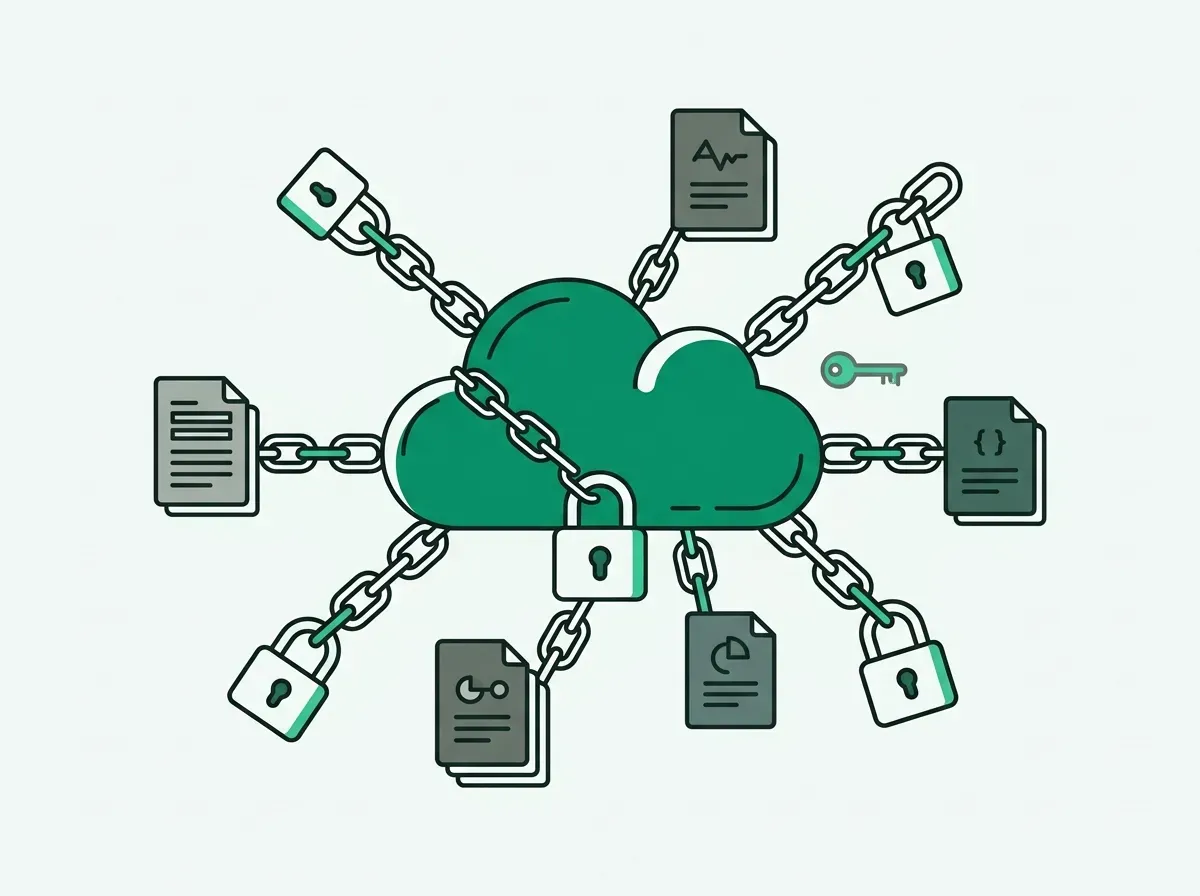
Go-to-market stacks have defaulted to the cloud. A modern B2B sales team purchases an average of 10 to 15 different SaaS tools, centralizing sensitive customer and lead data across a dozen third-party servers. This model has introduced significant, often unacknowledged, costs in risk and friction.
Centralized databases are a target. In May 2024, a breach at Dell exposed the data of approximately 49 million customers, originating from its enterprise CRM system. That same month, a campaign targeting the cloud platform Snowflake led to the compromise of 560 million customer records from Ticketmaster. These incidents are not isolated; they demonstrate the inherent risk of entrusting core data assets to external vendors.
This risk creates operational drag. Before a growth team can test a new cloud-based tool that handles PII, it must undergo a security and compliance review. Industry analysis shows these reviews add between two and six weeks to the procurement process. This friction slows the tempo of experimentation to a crawl.
The data itself also becomes a liability. When you upload your contacts to a sales intelligence platform, you often grant that vendor a license to use your data to enrich its own proprietary database. Apollo.io’s privacy policy, for example, states they may use customer-submitted information to “grow, enrich, and verify the information included in our Contributory Database.” Your data becomes their asset, trapped in a vendor silo.
The Local-First Alternative
A different architecture is emerging. Local-first software runs directly on your machine, using your hard drive as its primary database. This is not a new concept. For years, applications like the code editor VS Code and the note-taking app Obsidian have proven the model's power for developers and knowledge workers. Their success is built on giving users speed, privacy, and true ownership of their data.
The principles of this model were formally defined in a 2019 paper by researchers at Ink & Switch. They outlined seven ideals for local-first software, including:
- No Spinners: Your Work at Your Fingertips. Because data is local, the software is fast and responsive, free from network latency.
- The Network Is Optional. The application remains fully functional offline.
- Security and Privacy by Default. Storing data locally avoids creating large, centralized targets for data breaches.
In a go-to-market context, a local-first agent can execute tasks directly from your desktop. It can browse LinkedIn, analyze websites, or build lead lists without ever sending your search queries or resulting data to a third-party cloud. The computation happens on your machine, and the results are saved to your machine. This provides privacy by design and gives you complete control over your workflows and data.

From Compliance to Competitive Advantage
Operating locally doesn't just solve for compliance; it creates a performance advantage. The regulatory risks of using third-party data tools are concrete. In 2022, Sephora was fined $1.2 million under the CCPA for sharing customer data with third-party marketing and analytics tools without proper disclosure. Local-first tools sidestep this entire class of risk by not requiring data to be sent to a vendor in the first place.
This dramatically reduces the friction of adopting new technology. A growth team can download and run a local-first tool in minutes, bypassing the multi-week security reviews required for cloud platforms. This accelerates the tempo of experimentation from quarters to afternoons. A growth engineer can test a new prospecting strategy on Monday and have results by Tuesday.
Local agents also unlock automations that are impossible for cloud platforms. Because they run on your computer, they can interact with local files, operate behind your logins, and integrate with other desktop applications in ways a cloud server cannot. By moving computation to the edge—the user's machine—teams reduce their data liability and simultaneously increase their operational speed.

What to Do Next
The GTM stack is beginning to de-centralize. The cloud will remain essential for team collaboration, but sensitive data processing is moving to the edge. We believe this shift is a necessary response to the risks and limitations of the cloud-only model.
First, audit your team's current tool stack. Identify which platforms hold the most sensitive PII and represent the largest compliance burden. Understand where your data lives and who has access to it.
Second, begin experimenting with local-first GTM tools. Start with a single, well-defined task like lead generation or market research. The performance and privacy benefits of running workloads on your own machine become clear once you experience them directly.